Maximizing Well Servicing Efficiency with Advanced Air Compressor Solutions
In the oil & gas field, especially during well servicing, the reliability of our equipment isn’t just a preference—it’s the bedrock of safe and efficient operations. Air compressors are often overlooked, yet they are absolutely foundational to nearly every well intervention, workover, or maintenance job we undertake. They’re not just for tire inflation; these machines are the silent powerhouses enabling critical processes that keep wells producing and personnel safe.
Here are some key insights into air compressor applications in well servicing:
- Reliable air compression is non-negotiable for operational uptime and safety in well servicing.
- Modern well servicing demands versatile compressors capable of handling pneumatic tools, fluid aeration, and specialized gas generation.
- The industry is trending towards more efficient, often electric or hybrid, compressor solutions to meet stringent environmental goals.
- Choosing the right compressor involves a careful balance of power, portability, pressure, and maintenance considerations for remote, harsh environments.
The Indispensable Role of Air Compressors in Well Servicing
Whether we’re talking about routine maintenance or complex well completions, these systems are the lifeblood. They power everything from simple hand tools to highly sophisticated control systems. Without them, most well servicing operations would grind to a halt, leading to costly delays and potential safety hazards.
Market Dynamics and Operational Imperatives Driving Compressor Innovation
The well servicing sector is in a constant state of evolution. Operators are always pushing for greater efficiency, reduced downtime, and enhanced safety. This directly impacts the demands placed on supporting equipment like air compressors. The push for sustainability also means we’re seeing a shift.
Growing Demand for Efficient Well Interventions
Downtime, particularly in offshore or remote onshore operations, can easily cost hundreds of thousands of dollars per day. That puts immense pressure on compressor reliability.
Safety and Environmental Compliance as Key Drivers
Regulators and operators alike are increasingly focused on reducing emissions and improving workplace safety. This translates into a demand for quieter, more fuel-efficient, and often electric or hybrid-powered air compressors. We’re seeing more stringent requirements for air quality (e.g., oil-free air for instrument systems) to prevent contamination and ensure precise control. This isn’t just theoretical; the American Petroleum Institute (API) regularly updates recommended practices that influence equipment selection and operation, often impacting compressor specifications directly.
Critical Applications: Where Compressed Air Powers Well Operations
The range of applications for compressed air in well servicing is broader than many realize. It’s not a one-size-fits-all solution; specific tasks demand specific compressor types and air qualities.
Pneumatic Tool Operation: More Than Just Wrenches
This is perhaps the most visible application. Impact wrenches, grinders, drills, and other pneumatic tools are standard on any rig or well site. They’re robust, powerful, and less prone to ignition sources than electrical tools in hazardous environments. However, consistent pressure and volume are essential to prevent tool damage and ensure worker productivity.
Drilling and Workover Fluid Aeration: Enhancing Circulation
In certain drilling and workover scenarios, especially when dealing with lost circulation zones or underbalanced drilling, compressed air is injected into the drilling fluid (mud) to aerate it. This reduces the fluid’s hydrostatic pressure, allowing for better control of downhole pressures and improved cuttings removal. High-volume, high-pressure compressors are critical here, often paired with booster compressors to achieve the required pressures for deep wells.
Nitrogen Generation and Boosting: Specialized Gas Delivery
Nitrogen is a widely used inert gas in well servicing for purging, pressure testing, fracturing, and even stimulating wells. Onsite nitrogen generation, typically using membrane or PSA (Pressure Swing Adsorption) technology, relies heavily on a clean, dry, compressed air feed. Booster compressors then take the generated nitrogen to extremely high pressures (up to 15,000 PSI or more) for specific well applications, providing a safer and often more cost-effective alternative to liquid nitrogen transport, particularly in remote areas. According to a 2022 report by MarketsandMarkets, the global nitrogen generation market in oil & gas is experiencing sustained growth, driven by these onsite solutions.
Instrument Air Systems: Precision Control in the Field
Modern well servicing equipment—BOP controls, valve actuators, and various monitoring systems—often relies on instrument air for precise operation. This air must be exceptionally clean and dry, free from oil and moisture, to prevent corrosion and malfunction of sensitive components. Desiccant dryers and advanced filtration systems are crucial here, ensuring a dew point low enough to prevent freezing in colder climates and maintaining the integrity of delicate instruments. Failing to provide quality instrument air can lead to catastrophic control failures, a risk no operator should ever take.
Addressing the Challenges: Choosing the Right Compressor System
Selecting the ideal air compressor for well servicing isn’t a simple task. It requires a thorough understanding of the specific application, environmental conditions, and logistical constraints.
Portability vs. Stationary Units: The Onsite Dilemma
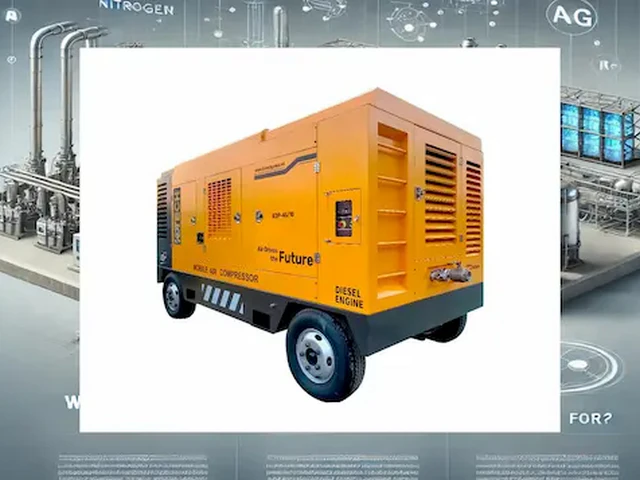
Most well servicing operations require portable air compressors mounted on skids or trailers for easy transport between sites. These units need to be rugged, compact, and capable of operating independently. Stationary units are typically reserved for long-term field camps or processing facilities where consistent, high-volume air is continuously required. The trade-off often comes down to upfront cost versus long-term operational flexibility.
Power Sources: Diesel, Electric, and Hybrid Considerations
Diesel-powered compressors remain prevalent due to their independence from grid power, making them ideal for remote well sites. However, rising fuel costs, noise regulations, and emissions concerns are driving the adoption of electric and hybrid models. Electric compressors offer lower operating costs, reduced emissions, and quieter operation when grid power or robust generators are available. Hybrid units combine the best of both worlds, offering flexibility.
Maintenance and Reliability: Minimizing Downtime
Harsh environments—dust, extreme temperatures, vibrations—take a toll on equipment. A robust maintenance schedule, easy access for servicing, and readily available spare parts are critical. Selecting compressors with proven reliability records in oil & gas applications is paramount. Investing in higher-quality components upfront often pays dividends by preventing costly breakdowns down the line.
The Cost-Benefit of Advanced Filtration and Drying
While basic filtration is always necessary, specific applications like instrument air or nitrogen generation demand advanced multi-stage filtration and desiccant dryers. These add to the initial capital expenditure but are essential for equipment longevity and process integrity. The cost of replacing sensitive instruments damaged by contaminated air far outweighs the investment in proper air treatment.
When Not to Use: Understanding Compressor Limitations
While air compressors are incredibly versatile, they aren’t a universal solution. For instance, in applications requiring extremely high vacuum levels or inert gas recovery where leakage is absolutely critical, specialized vacuum pumps or closed-loop gas systems might be more appropriate. Additionally, when an operation is short-term, very low-volume, and has no power available, sometimes compressed air cylinders are a more practical, albeit expensive, alternative to deploying a full compressor unit. You wouldn’t typically use a large diesel compressor for a quick, one-off pneumatic grease gun task if smaller, self-contained options exist.
Best Practices for Deploying Air Compressors in Well Servicing
To maximize efficiency and safety, a few best practices are essential:
- Regular Maintenance: Adhere strictly to manufacturer service schedules. This includes oil changes, filter replacements (air, oil, fuel), and regular checks of belts and hoses. Proactive maintenance prevents costly breakdowns.
- Proper Sizing: Always match the compressor’s output (CFM and PSI) to the actual demand of the tools and processes it will power. Oversizing wastes energy; undersizing leads to inefficiency and premature equipment wear.
- Air Quality Management: Implement appropriate filtration and drying for each specific application. Don’t use standard shop air for sensitive instrument controls.
- Site-Specific Considerations: Account for environmental factors like temperature extremes, dust, and altitude, which can impact compressor performance.
- Safety Protocols: Ensure all personnel are trained in safe operating procedures, including proper lockout/tagout, pressure relief, and handling of hoses and fittings.
Ultimately, a well-chosen and properly maintained air compressor system is an asset that directly contributes to the profitability and safety of any well servicing operation. It’s about understanding the specific needs and matching them with the right technology.