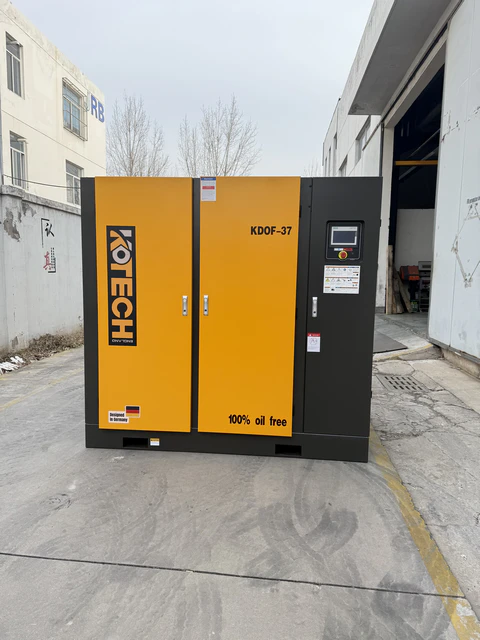
Maximizing Uptime: Two-Stage Compressors for High-Altitude Mining
Operating mining equipment at high altitudes is a constant battle against physics. Thinner air directly impacts the volumetric efficiency of single-stage compressors, leading to significant performance drops and inflated energy bills. It’s not just about getting air; it’s about getting *efficient*, *reliable* air when every kilowatt counts.
Key Insights for High-Altitude Mining Compressors
- Enhanced reliability and extended equipment lifespan result from lower operating temperatures and reduced mechanical stress on components.
- Consistent, stable air supply is critical for pneumatic tools and ventilation systems, directly improving operational safety and productivity in thin air environments.
- Upfront investment is often offset by significant long-term operational cost savings through reduced fuel consumption and maintenance requirements.
- Proper sizing and environmental considerations are paramount for optimal performance and avoiding common pitfalls in extreme high-altitude conditions.
The Unforgiving Reality of High-Altitude Mining Operations
Mining at elevations exceeding 2,500 meters (roughly 8,200 feet) isn’t just a logistical headache; it’s an engineering challenge. Atmospheric pressure drops considerably with altitude, meaning there’s less oxygen and fewer air molecules per cubic foot. A single-stage compressor designed for sea-level operation will struggle immensely. It has to work harder to compress the same *mass* of air, leading to lower actual output (free air delivery, or FAD) and a disproportionately higher power draw. This inefficiency translates directly into increased fuel consumption for engine-driven units or higher electricity costs for electric models.
Why Two-Stage Compression is the Definitive Solution
A two-stage compressor addresses these challenges by dividing the compression process into two distinct phases, with an intercooler positioned between them. This design offers several critical advantages for high-altitude environments. The first stage compresses the thin atmospheric air to an intermediate pressure. This partially compressed air then passes through an intercooler, which significantly reduces its temperature. Cooler air is denser, allowing the second stage to compress it much more efficiently with less energy input.
Tangible Benefits for Mining Productivity and Cost Efficiency
The practical implications of this design for high-altitude mining are profound.
Superior Energy Efficiency and Reduced Operating Costs
The primary benefit is energy efficiency. By cooling the air between stages, the overall work required to achieve the desired pressure is substantially reduced. This directly translates to lower power consumption. For a mine running multiple compressors 24/7, these savings are immense, impacting the bottom line significantly. Fuel or electricity is often the largest operational expense for mobile or stationary compressors.
Enhanced Reliability and Equipment Longevity
Lower operating temperatures within the compressor are critical for component lifespan. High heat is the enemy of seals, bearings, and lubricants. With an intercooler effectively managing heat, the compressor operates under less thermal stress. This reduces wear and tear, extends maintenance intervals, and ultimately prolongs the overall life of the equipment. In harsh, remote mining environments where maintenance can be difficult and costly, this increased reliability is invaluable. Downtime at a mine can cost tens of thousands of dollars per hour, so robust, long-lasting equipment is paramount.
Consistent Performance and Air Supply Stability
Mining operations rely on a consistent and stable supply of compressed air for everything from pneumatic drills and rock breakers to ventilation systems and dust suppression. A two-stage compressor maintains a more stable volumetric efficiency across varying atmospheric pressures inherent in high-altitude settings. This means your tools and systems receive the required airflow and pressure, leading to more predictable performance and improved productivity.
Current Trends and Industry Adoption Signals
The mining industry is increasingly focused on operational efficiency and sustainability. This trend directly favors two-stage compressors for high-altitude applications. Companies are investing in digital monitoring systems for compressors, allowing real-time data analysis on efficiency, temperature, and pressure – further optimizing performance in challenging environments. We’re also seeing a push for electrification of mining equipment, making the efficiency of electric two-stage compressors even more critical as mines move away from diesel.
Selecting the Right Two-Stage System: Critical Considerations
Choosing the right two-stage compressor isn’t just about buying the biggest unit. It demands a careful assessment of several factors:
- **Specific Altitude:** The actual operating elevation dictates the extent of atmospheric pressure compensation needed.
- **Air Demand Profile:** Understand the peak and average air requirements of all connected tools and systems. Oversizing wastes energy, undersizing causes performance bottlenecks.
- **Power Source:** Diesel-driven for mobility or electric for stationary installations? Consider fuel availability and power grid stability.
- **Environmental Conditions:** Extreme cold, dust, and humidity all influence material selection and enclosure design.
- **Maintenance Accessibility:** Remote sites require robust, easy-to-service designs with readily available parts.
When a Two-Stage Might Not Be the Optimal Choice
While the benefits are clear, a two-stage compressor isn’t a universal panacea. For very small-scale, intermittent operations at moderate altitudes (say, below 2,000 meters / 6,500 feet) with minimal air demand, the higher initial capital cost of a two-stage unit might not be justified by the long-term energy savings. Similarly, if the application requires extremely low pressures (e.g., less than 30 PSI) where the compression ratio is already very low, the added complexity of a second stage and intercooler might offer diminishing returns. It’s about finding that sweet spot where the efficiency gains genuinely outweigh the upfront investment. Honestly, we’ve seen clients overspend on two-stage systems for applications where a single-stage, properly derated for altitude, would have been perfectly adequate and more cost-effective.
Best Practices for Deployment and Maintenance
Even the best equipment needs proper care.
Installation and Ventilation
Ensure proper ventilation for the compressor. High-altitude environments can have lower ambient temperatures, but the compressor itself still generates heat. Adequate airflow prevents overheating and maintains intercooler efficiency. Mount units on stable, level foundations to minimize vibration.
Regular Servicing and Air Quality Monitoring
Adhere strictly to manufacturer-recommended maintenance schedules. This includes filter changes, oil checks, and inspection of intercooler fins. Given the dusty conditions often found in mining, air filters will likely need more frequent replacement. Monitoring air quality for contaminants is also crucial to protect downstream equipment. Proactive maintenance is not optional; it’s essential for safety and productivity.
Conclusion: A Strategic Investment for High-Altitude Success
For any serious high-altitude mining venture, investing in a two-stage compressor system isn’t just an expense; it’s a strategic decision that pays dividends in energy efficiency, operational reliability, and overall productivity. The challenges of thin air are real, but with the right technology, they are entirely surmountable. Prioritizing these advanced compression solutions means securing a more sustainable and profitable future for your high-altitude operations.