Optimizing Air Compressor Fleets for Remote & Rugged Operations
- Uptime is King: In remote construction, mining, and exploration, a failed air compressor means immediate, costly project delays.
- Fuel Efficiency Drives Profit: Modern compressors offer significant savings, directly impacting your bottom line over the equipment’s lifecycle.
- Electrification is Rising: Cleaner, quieter electric and hybrid options are gaining traction, especially in sensitive or underground environments.
- Durability is Non-Negotiable: Equipment must withstand extreme temperatures, dust, and continuous heavy use without faltering.
- Smart Tech Enhances Reliability: Remote monitoring systems are transforming maintenance from reactive to predictive, minimizing unexpected downtime.
When you’re running a construction site, a mining operation, or an exploration project, reliable air isn’t a luxury; it’s the lifeblood. From powering rock drills and pneumatic tools to supporting blasting operations and ventilation, your air compressor fleet dictates productivity and, frankly, keeps the entire project moving forward. Investing in the right heavy-duty air compressors isn’t just about initial cost; it’s about ensuring consistent performance in the most brutal environments, minimizing downtime, and optimizing your total cost of ownership.
The Unseen Powerhouse: Why Reliable Air is Non-Negotiable
In these demanding sectors, the air compressor often operates out of sight, yet its failure brings everything to a grinding halt. We’re talking about direct impacts on drilling rates, the speed of tunneling, and the efficiency of aggregate production. Any glitch in air supply can cascade into massive delays, affecting schedules, labor costs, and contractual obligations.
Think about it: a rotary screw compressor providing continuous airflow for blast hole drilling in a quarry. If that unit goes down, your entire blasting sequence is compromised, impacting material extraction and processing. These aren’t minor hiccups; they are significant operational roadblocks that can cost tens of thousands of dollars per day in lost productivity and rescheduled work.
Navigating the Evolving Landscape: Key Industry Trends & Data
The air compressor market isn’t static. Manufacturers are responding to demands for greater efficiency, reduced environmental impact, and enhanced smart capabilities. Staying informed about these trends can give you a significant competitive edge.
The Drive for Efficiency and Sustainability
Fuel costs remain a dominant operational expense, particularly for diesel-powered portable compressors on remote sites. This reality has pushed manufacturers to innovate, delivering units with significantly improved fuel efficiency.
Smart Operations: IoT and Predictive Maintenance
The integration of IoT (Internet of Things) into heavy machinery is transforming how we manage assets. Modern air compressors often come equipped with telematics systems that allow for remote monitoring of critical parameters like pressure, temperature, fuel levels, and service intervals. This data enables predictive maintenance, flagging potential issues before they cause catastrophic failures.
Electrification and Hybrid Solutions
With increasing environmental regulations and a global push for decarbonization, electric and hybrid air compressors are becoming more prevalent. These units offer lower emissions, reduced noise levels, and often lower operating costs in situations where grid power is available. The International Energy Agency (IEA) in its 2024 outlook emphasizes the growing role of electrification in industrial processes to meet climate targets. While diesel compressors still dominate for sheer portability and power in remote areas, hybrid models that switch between diesel and electric are bridging the gap, offering flexibility and compliance for various site conditions.
Choosing Your Workhorse: Compressor Types & Applications
Selecting the right air compressor for construction, mining, or exploration isn’t a one-size-fits-all decision. It hinges on understanding your specific application, required airflow (CFM), pressure (PSI), and operational environment.
Rotary Screw vs. Piston: Matching Power to Purpose
Rotary screw compressors are the workhorses of continuous, high-volume air demands. They deliver a steady flow of compressed air, making them ideal for powering multiple heavy-duty tools, large rock drills, or ventilation systems in tunnels. Their design allows for continuous operation without significant heat buildup, crucial for long shifts.
Piston compressors, on the other hand, excel in applications requiring high pressure but intermittent use. While generally less efficient for continuous, high-volume tasks, they can be more cost-effective for smaller, occasional jobs or specialized high-pressure requirements like certain types of exploration drilling. Understanding this distinction is key to avoiding over- or under-specifying your equipment.
Portable vs. Stationary: Mobility Matters
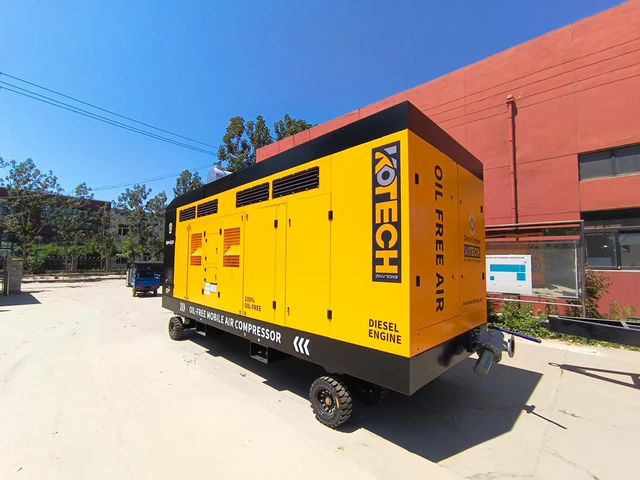
For exploration and many construction projects, portable air compressors are indispensable. Mounted on trailers or skids, these diesel-powered units can be easily moved across vast, rugged terrains, following the work wherever it goes. Their robust chassis and protective enclosures are designed to withstand vibration, dust, and harsh weather.
Stationary air compressors are typically found in fixed mining operations, processing plants, or large-scale construction fabrication yards. These are often electric, plumbed into a central air distribution system, and designed for maximum energy efficiency and minimal footprint within a dedicated facility. The decision between portable and stationary is usually clear-cut, driven by the mobility requirements of the project.
Beyond the Spec Sheet: Durability, Serviceability, and Safety
In these extreme environments, a compressor’s ability to withstand punishment is paramount. We’re talking about units operating in freezing temperatures one day and scorching heat the next, often caked in dust and mud. Robust construction, heavy-duty filtration systems, and corrosion-resistant materials are not optional; they’re fundamental.
Equally important is serviceability. When a machine needs maintenance or repair in a remote location, easy access to components, readily available spare parts, and straightforward diagnostic systems can save invaluable time. A complex repair requiring specialized tools or highly trained technicians flown in from afar can quickly negate any initial cost savings. From our experience, a well-designed machine is one that allows for quick, field-level maintenance.
Safety features are also non-negotiable. Emergency stop buttons, automatic shutdown systems for critical parameter excursions (e.g., high temperature, low oil pressure), and secure lifting points are essential. Operating heavy machinery in hazardous environments demands strict adherence to safety protocols, and your equipment should support that.
When to Re-evaluate Your Fleet: A Boundary Condition
While the push for efficiency and new technology is strong, it’s worth considering when *not* to immediately upgrade. For a very short-term, low-intensity project, or one where existing, fully depreciated equipment can still meet the minimal demand, a full fleet overhaul might not be the most financially sound decision. The capital expenditure for new, high-tech compressors might not be justified if the operational savings don’t materialize over a sufficiently long period. Only when the long-term TCO, regulatory compliance, or consistent reliability becomes a significant pain point should you definitely consider replacing older units.
Making the Right Investment: Actionable Steps
Choosing the right mining air compressor for your construction, mining, or exploration needs boils down to a few critical steps:
- Assess Your Demand: Accurately calculate your CFM and PSI requirements based on the tools and processes you’ll be running. Over-specifying wastes money; under-specifying leads to inefficiency and potential equipment damage.
- Evaluate Total Cost of Ownership (TCO): Look beyond the purchase price. Factor in fuel consumption, maintenance costs, expected lifespan, and potential downtime. A cheaper unit upfront can quickly become an expensive liability.
- Consider Site Conditions: Will it operate in extreme heat or cold? Is dust a major issue? Will it need to be moved frequently? These factors will dictate the necessary ruggedness and specific features (e.g., cold-weather packages, heavy-duty air filters).
The right air compressor isn’t just a piece of machinery; it’s a strategic asset that underpins your entire operation. Make an informed decision, and your projects will run smoother, safer, and more profitably.