Unlocking Mining Efficiency with Dual-Pressure Portable Diesel Compressors
The Game-Changer: Why Dual-Pressure Matters in Mining
For years, mining operations struggled with a fundamental inefficiency: air compressors were typically designed for a single pressure and flow rate. This meant either over-specifying for smaller jobs, wasting fuel, or needing multiple compressors to handle different tasks like blast-hole drilling (high pressure, high flow) and powering pneumatic tools (lower pressure, moderate flow). This scenario led to unnecessary capital expenditure, increased maintenance burden, and logistical headaches.
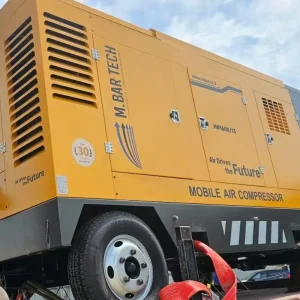
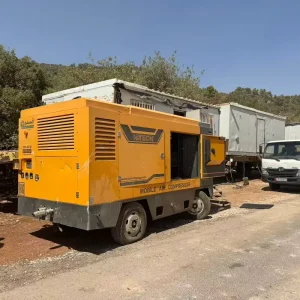
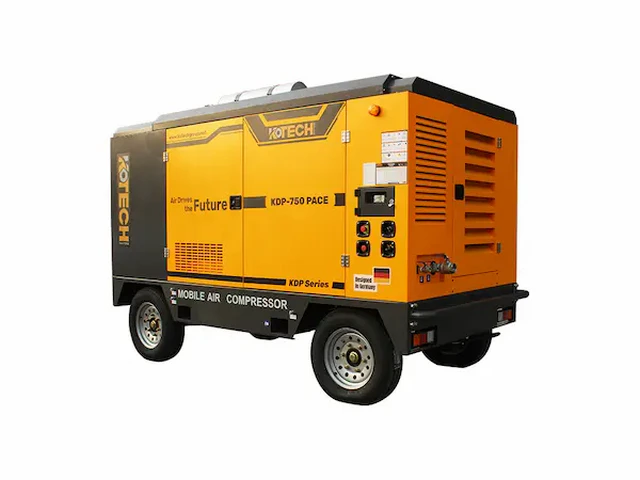
The advent of dual-pressure portable diesel compressors has fundamentally altered this landscape. These units offer operators the ability to select between two distinct pressure and flow settings, often with a simple switch, allowing one machine to perform the duties of two. This flexibility translates directly into tangible benefits on the ground, impacting everything from fuel consumption to site safety.
Economic Drivers: Data Supporting the Shift to Versatility
The mining industry operates on tight margins, constantly seeking avenues for cost reduction and efficiency gains. Fuel consumption remains a primary operational expense. Dual-pressure units contribute directly to this by matching power output precisely to demand, rather than running a high-pressure unit inefficiently for a low-pressure task.
This trend signals a clear industry demand for solutions that reduce overall equipment footprint while enhancing operational flexibility. The move towards multi-tasking machinery is not just a niche; it’s becoming a standard expectation.
How Dual-Pressure Compressors Tackle Mining Challenges
The core benefit lies in adaptability. Consider a typical surface mining operation. One shift might focus on drilling large blast holes, requiring high pressure (e.g., 200-250 psi) and substantial airflow for effective rock penetration and debris clearing. The next task could involve powering smaller pneumatic rock drills for secondary breaking or running various air tools for equipment maintenance. These tasks typically need lower pressure (e.g., 100-125 psi) and often less flow.
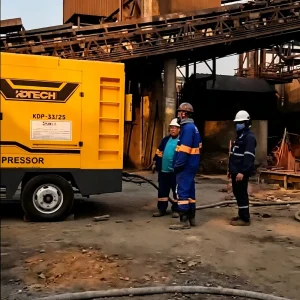
A single-pressure compressor would either be running at excessive pressure for the second task, leading to wasted fuel and accelerated wear on tools, or it wouldn’t have enough pressure for the first, causing delays. Dual-pressure units eliminate this compromise. Operators can switch modes, optimizing performance and fuel economy for each specific requirement. This flexibility extends to remote or underground operations where space and logistics are even more constrained. Having one machine do the job of two drastically simplifies logistics, reduces transport costs, and frees up valuable space on crowded sites.
Boundary Conditions: When Single-Pressure Might Still Be Viable
While dual-pressure units offer compelling advantages, they aren’t a universal panacea. For very small-scale operations with highly specialized, consistent air demands – for instance, a quarry exclusively using a single type of pneumatic breaker – a dedicated single-pressure portable air compressor might still be a more cost-effective initial investment. The added complexity and cost of the dual-pressure system might not justify the marginal gains in such specific, unchanging scenarios.
Another consideration is maintenance complexity. While modern dual-pressure systems are robust, they do incorporate more sophisticated control systems. If your maintenance team lacks the specific training or resources for these advanced controls, it could potentially offset some of the operational benefits. However, most major manufacturers offer comprehensive training and support, mitigating this concern for serious operators.
Practical Implementation: Maximizing Your Investment
Integrating dual-pressure portable diesel compressors effectively requires more than just purchasing the equipment. Site assessment is paramount. Understand the full range of air demands across all your mining tasks – not just the primary ones. This includes drilling, blasting, ventilation, dust suppression, and powering auxiliary tools.
Here are some actionable tips:
- Operator Training: Ensure your team is thoroughly trained on the compressor’s different modes, optimal settings for various tools, and basic troubleshooting. Proper operation is key to realizing fuel savings and extending equipment life.
- Regular Maintenance: Adhere strictly to manufacturer-recommended service schedules. Pay particular attention to engine filters, air filters, and oil quality. Given the harsh mining environment, proactive maintenance prevents costly downtime.
- Fleet Optimization: Evaluate your existing fleet. Could one dual-pressure unit replace two older, less efficient single-pressure machines? This is often where the most significant ROI is found, reducing both capital expenditure and ongoing operational costs.
They require a more strategic approach to unleash their full potential.
The Long-Term Outlook: Sustainability and Performance
Beyond immediate cost savings and productivity boosts, dual-pressure portable diesel compressors contribute to a more sustainable mining operation. By optimizing fuel consumption, they inherently reduce greenhouse gas emissions and particulate matter. As environmental regulations tighten globally, this isn’t just a nice-to-have; it’s becoming a necessity for compliance and corporate social responsibility. These units represent a forward-thinking investment, aligning operational efficiency with environmental stewardship.