Essential Air Power: Two-Stage Compressors for Fabrication
**Key Insights for Metal Fabrication Shops**
- **Unmatched Efficiency & Power:** Two-stage compressors deliver more CFM per horsepower, crucial for sustained, heavy-duty metalworking.
- **Consistent Pressure for Precision:** Stable air pressure prevents tool bog-down and ensures clean cuts, welds, and finishes.
- **Extended Equipment Lifespan:** Lower operating temperatures and reduced wear translate to less maintenance and longer compressor life.
- **Significant Energy Savings:** These units are inherently more energy-efficient, directly impacting your workshop’s bottom line.
- **Superior Air Quality:** Essential for sensitive applications like painting and certain welding processes, especially when paired with proper dryers and filters.
In the demanding world of metal fabrication, your air compressor isn’t just another piece of equipment; it’s the heart of your pneumatic operations. From plasma cutting and heavy grinding to precision welding and finish painting, the quality and consistency of your compressed air directly impact your output and profitability. Frankly, if you’re still relying on a single-stage unit for anything beyond light-duty, intermittent tasks, you’re leaving money on the table and sacrificing performance. A two-stage air compressor is the definitive choice for any serious fabrication workshop needing reliable, high-pressure air for continuous operation.
Why Two-Stage Compressors Dominate Metal Fabrication
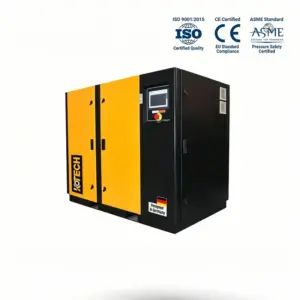
The core advantage of a two-stage (or dual-stage) compressor lies in its design: air is compressed in two separate cylinders, or stages, rather than one. This multi-stage compression process results in higher pressure, greater efficiency, and lower operating temperatures. For a fabrication shop, this translates into a powerhouse that keeps up with rigorous demands without breaking a sweat—or your budget.
Consider the continuous duty cycles common in metalworking. A single-stage compressor struggles to maintain pressure under heavy load, leading to inconsistent tool performance. Your plasma cutter might falter, your grinders could bog down, and your paint guns might spit. A two-stage unit, whether piston or rotary screw, is engineered for this kind of sustained output. It delivers a steady, unwavering stream of air, ensuring your pneumatic tools operate at peak efficiency, every time.
The Hard Numbers: Why Efficiency Matters
Energy consumption is a major concern for any industrial operation, and compressed air systems are notorious power hogs. This isn’t just anecdotal; it’s a verifiable industry fact. Upgrading to an energy-efficient two-stage compressor, especially a variable speed drive (VSD) rotary screw model, can dramatically reduce these costs.
This trend highlights the increasing recognition of advanced compressor technology as a strategic investment.
Beyond the Bill: Performance and Longevity
It’s not just about the electricity bill; it’s about what that air power enables. Consistent air pressure is non-negotiable for precision tasks. Think about plasma cutting: fluctuating pressure can lead to jagged edges and increased dross, requiring more post-processing work. For welding, especially certain MIG and TIG processes that utilize shielding gases delivered by pneumatic systems, stable air flow is critical for weld integrity.
Another significant benefit of the two-stage design is reduced heat. Compressing air in two stages allows for intercooling between the stages, dropping the air temperature. This lower operating temperature puts less stress on internal components, extending the lifespan of your compressor and reducing maintenance needs. From our experience, shops that invest in robust two-stage systems often see their compressors running reliably for years longer than those pushing single-stage units past their limits.
Impact on Tool Life and Productivity
The quality of your compressed air directly impacts the lifespan and performance of your pneumatic tools. Dirty, wet, or inconsistent air can quickly wear down seals, bearings, and internal mechanisms.
For painting applications, especially automotive-grade finishes, air quality is paramount. A two-stage compressor, combined with appropriate air dryers and filtration systems, ensures clean, dry air, preventing fish eyes, orange peel, and other common paint defects caused by moisture or contaminants. This leads to higher quality finishes and less time spent on rework.
When a Single Stage Just Won't Cut It (and When It Might)
While two-stage compressors are the gold standard for metal fabrication, it’s worth understanding their specific application sweet spot. A single-stage compressor simply cannot deliver the sustained pressure and volume (CFM) required for heavy-duty, continuous operations like operating multiple plasma cutters, large sandblasting units, or numerous grinders simultaneously. The pressure drop would be immediate and detrimental.
However, a two-stage system might be overkill if your workshop is very small, running only one or two pneumatic tools intermittently for light fabrication work—think small hobby shops doing occasional repairs. In such niche scenarios, where the duty cycle is extremely low and demand is minimal, a well-maintained, high-quality single-stage unit could suffice for specific air tools like impact wrenches or small nail guns. But for any professional shop engaged in serious metal fabrication, that’s a rare exception, not the rule.
Implementing Your Dual-Stage System: Practical Steps
Choosing and implementing the right two-stage air compressor for your metal fabrication workshop involves more than just picking a model. It requires a holistic approach to your entire compressed air system.
Sizing Your Compressor Correctly
Accurate sizing is critical. You need to calculate the total CFM requirements of all your pneumatic tools, accounting for simultaneous use and future expansion. Oversizing wastes energy, but undersizing leads to constant pressure drops and premature wear. A qualified air compressor specialist can help perform an air audit to precisely determine your needs.
Essential Air Treatment and Distribution
A two-stage compressor delivers powerful airflow, but for metal fabrication, clean and dry air is often just as important as pressure.
- **Air Dryers:** Refrigerated or desiccant dryers are crucial to remove moisture, preventing rust in tools and pipes, and ensuring quality finishes for painting.
- **Filters:** Multi-stage filtration (particulate and coalescing filters) removes oil aerosols and solid particles, protecting sensitive equipment and improving air quality.
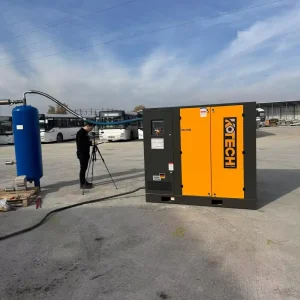
- **Receiver Tank:** A sufficiently sized air receiver tank acts as a buffer, storing compressed air and allowing the compressor to run less frequently, reducing wear and energy consumption.
- **Distribution System:** Design your piping system with minimal bends, appropriate diameter, and proper drainage to minimize pressure drops and moisture accumulation.
Maintenance and Monitoring
Even the most robust two-stage compressor needs regular maintenance. This includes oil changes, filter replacements, belt tension checks, and condensate drain inspections. Implementing a preventative maintenance schedule is key to maximizing uptime and extending the life of your investment. Modern systems often include remote monitoring capabilities, allowing you to track performance, identify potential issues, and schedule service proactively.
Common Applications in Metal Fabrication
Let’s break down where these powerful air systems truly shine:
- **Plasma Cutting:** Requires a high volume of dry, clean air at consistent pressure for optimal cut quality and consumable life.
- **Grinding & Sanding:** Heavy-duty pneumatic grinders demand steady airflow to maintain RPMs, preventing bog-down and improving material removal rates.
- **Welding (MIG/TIG Shielding Gas):** While not directly compressing gas, the shop air system often powers the regulators and ensures proper delivery of shielding gases for quality welds.
- **Painting & Powder Coating:** Absolutely requires clean, dry, oil-free air to achieve professional, defect-free finishes.
- **Automated Tooling & Robotics:** Many automated systems in fabrication rely on pneumatic actuators and clamps, demanding reliable air supply.
- **Sandblasting & Shot Peening:** High-volume, high-pressure air is essential for efficient surface preparation and finishing.
- **General Shop Air:** Powering impact wrenches, air hammers, blow guns, and other utility tools across the shop.
The initial investment is quickly recouped through energy savings, reduced maintenance, extended tool life, and, most importantly, superior output quality.