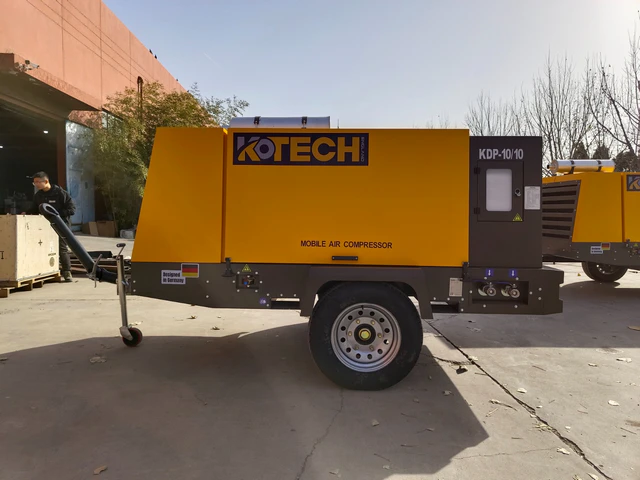
Unlocking Performance: Diesel Air Compressors in Mining
- Diesel power is indispensable for remote mining operations: Grid independence and robust performance make these units essential where electricity is scarce.
- Reliability trumps all in harsh environments: Mining demands equipment that can withstand extreme temperatures, dust, and continuous heavy loads without fail.
- Total Cost of Ownership (TCO) extends beyond purchase price: Factor in fuel efficiency, maintenance, and uptime to truly gauge value.
- Compliance and safety are paramount: MSHA regulations, advanced filtration, and operator training are non-negotiable for safe and efficient operation.
- The right unit boosts productivity: Matching CFM and PSI to specific mining applications directly impacts drilling speed, blasting efficiency, and tool performance.
In the mining sector, dependable compressed air isn’t a luxury; it’s the heartbeat of operations. They deliver the raw, unyielding power necessary to keep projects moving in the most challenging and remote environments imaginable.
The Unyielding Power of Diesel in Mining: Why It Still Dominates
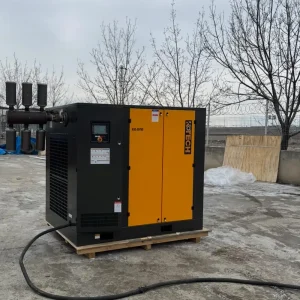
Mining sites, by their very nature, are frequently located far from established infrastructure. This isolation means grid power is either unavailable, unreliable, or prohibitively expensive to install. This is precisely where a self-contained, powerful energy source becomes critical. Diesel compressors offer unparalleled autonomy, providing high-pressure air for drilling, blasting, pneumatic tools, and ventilation systems without needing an external electrical hookup. Their robust construction and ability to operate in extreme temperatures – from freezing tundra to scorching deserts – make them the industry’s workhorse.
Market Dynamics & Operational Imperatives: Data-Backed Decisions
The global demand for minerals continues to drive innovation and investment in mining equipment. This growth underscores the ongoing need for efficient and reliable machinery. Diesel engines, despite the push for electrification in some sectors, remain the dominant power source for heavy-duty off-road applications.
The financial implications of equipment failure in mining are substantial.
Beyond the Grid: Engineering for Extreme Mining Environments
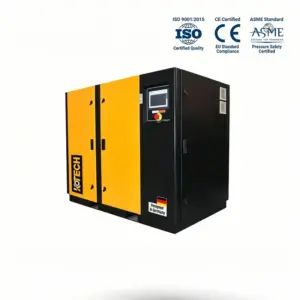
What truly sets mining-grade diesel air compressors apart is their specialized engineering. These aren’t your average construction compressors. They’re built from the ground up to endure extreme conditions. Think heavy-duty chassis and robust enclosures that resist impact and corrosion. Advanced filtration systems are standard, protecting the engine and air end from the pervasive dust and debris common on mine sites. Cold-weather starting packages are essential for operations in frigid climates, ensuring immediate readiness. Furthermore, compliance with Mine Safety and Health Administration (MSHA) regulations isn’t optional; it’s a legal and operational necessity, often requiring specific safety features like spark arrestors and emergency shutdown systems.
Applications are diverse: percussion drilling for exploration or blasting, powering rock drills and jackhammers, operating ventilation systems in underground mines, and running various pneumatic tools for maintenance and repair. Each application demands specific CFM (cubic feet per minute) and PSI (pounds per square inch) outputs, making careful specification critical.
When Electric Isn’t an Option: Understanding the Limitations
While electric air compressors offer their own advantages – quieter operation, lower emissions at the point of use – they simply aren’t suitable for many mining scenarios. Their primary limitation is their reliance on a stable, high-power electrical grid. For remote exploration sites or rapidly shifting open-pit operations, running extensive power cables is often impractical, unsafe, or too costly. In underground mining, while electric units reduce exhaust fumes, the power infrastructure required can be substantial, and the risk of power outages can halt critical operations.
Electric compressors are best suited for fixed, long-term underground operations with established power infrastructure and good ventilation, or surface facilities with readily available grid access. However, for mobile, dynamic, or remote tasks, the self-contained nature of a diesel unit is the undisputed champion.
Selecting Your Mining Workhorse: Practical Considerations & ROI
Choosing the right diesel-powered air compressor for mining requires a careful assessment of several factors. First, determine your CFM and PSI requirements based on the tools and processes you’ll be powering. Over-speccing wastes fuel; under-speccing leads to inefficiency and frustration.
Consider the engine: modern units often feature Tier 4 Final compliant engines, offering improved fuel efficiency and reduced emissions, which can also impact operational costs and environmental permits. Maintenance schedules are another critical factor. Look for units designed for easy serviceability, minimizing downtime.
The Total Cost of Ownership (TCO) is a far more accurate metric than just the initial purchase price. TCO includes fuel consumption, maintenance, parts, and expected lifespan. A higher upfront cost for a more fuel-efficient, durable unit often results in significant savings over its operational life. Many mining companies also explore rental options, especially for short-term projects or to test different models before committing to a purchase.
Maximizing Uptime and Longevity: Best Practices for Diesel Air Compressors
Ensuring the longevity and peak performance of your diesel air compressor boils down to a few core best practices. Regular, preventative maintenance is non-negotiable. This includes routine oil changes, air filter replacements (especially critical in dusty mine environments), fuel filter checks, and inspecting all hoses and connections for wear or leaks. Operator training is also crucial. Well-trained operators understand how to properly start, run, and shut down the unit, recognize early warning signs of issues, and perform basic daily checks.
Beyond maintenance, safety protocols must be rigorously enforced. This includes proper ventilation for exhaust fumes, secure placement on uneven terrain, and adherence to all MSHA guidelines. Investing in quality aftermarket support and genuine spare parts also pays dividends, ensuring quick repairs and maintaining the unit’s integrity.