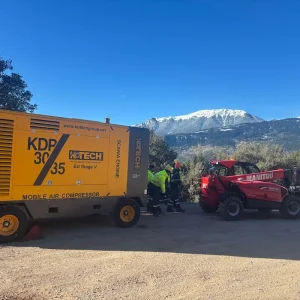

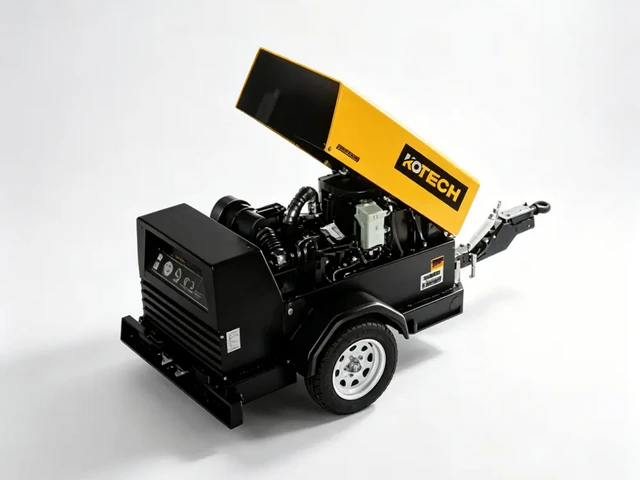
For any serious metal fabrication workshop, a two-stage air compressor isn't just an option; it's a fundamental requirement. These robust systems deliver the consistent high pressure and CFM needed for demanding tasks like plasma cutting, grinding, and powering heavy-duty pneumatic tools, directly impacting operational efficiency, tool lifespan, and energy costs. We'll explore why investing in a dual-stage setup provides a clear competitive edge, backed by industry data and practical implementation insights.
Optimize Your Metal Fabrication Workshop with Two-Stage Air Compressors
Key Takeaways
- Two-stage compressors deliver consistent high pressure and CFM.
- Essential for plasma cutting and heavy-duty pneumatic tools.
- Improve tool lifespan through cooler, drier air.
- Offer significant long-term energy savings and reduced maintenance.
- Proper system sizing and air treatment are crucial for efficiency.
- Single-stage units are inadequate for professional metal fabrication.
Related: industrial air compressor · plasma cutting air supply · pneumatic tools · shop efficiency · compressed air systems · heavy duty air compressor · fabrication equipment · air compressor sizing · air treatment · air tools
When you’re running a metal fabrication workshop, your air compressor isn’t just another piece of equipment; it’s the heart of your operation. And frankly, if you’re still relying on a single-stage unit for anything beyond light-duty tasks, you’re leaving money on the table, risking equipment damage, and frustrating your crew. A two-stage air compressor is the only reliable choice for the demanding, continuous power needs of metal fabrication. It delivers the consistent pressure and volume required for precision work and heavy-duty tools without the constant struggle of pressure drops or overheating.
Here are the key insights:
- Two-stage compressors provide consistent, higher CFM and PSI essential for demanding metal fabrication tasks like plasma cutting and grinding.
- They significantly extend the lifespan of pneumatic tools and shop equipment by delivering cooler, drier air.
- Investing in a dual-stage unit offers substantial long-term energy savings and reduced maintenance costs compared to undersized single-stage alternatives.
- Proper sizing and air treatment (dryers, filters) are critical to maximize the benefits and ROI in a fabrication environment.
- Ignoring the need for a two-stage system in a professional shop leads to inefficiency, frequent breakdowns, and compromised output quality.
Why Two-Stage Compressors are Non-Negotiable for Metal Fab
In metal fabrication, consistency is king. Whether you’re running a plasma cutter, operating an angle grinder for hours, or powering an array of pneumatic impact wrenches and sanders, inconsistent air supply kills productivity and quality. Single-stage compressors, while cheaper upfront, simply can’t handle the sustained demand. They work harder, get hotter, and deliver less air volume (CFM) at a given pressure (PSI), leading to pressure drops that stall tools and compromise cuts.
A two-stage compressor compresses air twice, cooling it between stages. This process generates higher pressure and volume more efficiently, providing a steady, robust air supply. This isn’t just about raw power; it’s about reliable, continuous power that keeps your operations smooth and your tools performing optimally.
The Hard Data: Industry Trends & Efficiency Gains
The shift towards more efficient and reliable compressed air systems in manufacturing isn’t just anecdotal; it’s a measurable trend. Shops are recognizing the direct link between air quality and their bottom line.
A comprehensive report by the **U.S. Department of Energy (DOE) in 2022** highlighted that optimized compressed air systems, including proper compressor selection and air treatment, can reduce energy consumption by as much as 30% in industrial settings. This isn’t pocket change; for a busy fabrication shop, those savings quickly add up. Furthermore, the **Compressed Air & Gas Institute (CAGI) data from 2021** indicated that poorly maintained or improperly sized compressed air systems are responsible for up to 20% of unscheduled downtime in manufacturing facilities. This translates directly to lost production hours and increased repair costs.
The global industrial air compressor market, valued at approximately $38 billion in **2023 (according to Statista)**, continues to grow, driven by the demand for higher efficiency and reliability in sectors like metal fabrication. This growth underscores the widespread recognition of advanced compressor technologies, with two-stage reciprocating and rotary screw compressors leading the charge in heavy-duty applications. These figures aren’t just statistics; they reflect a clear industry move towards more robust, energy-efficient solutions to meet modern production demands.
Deeper Dive: How Two-Stage Systems Tackle Fabrication Challenges
Sustained High Pressure for Precision Tasks
Plasma cutting, a staple in metal fabrication, demands a consistent, high-volume air supply to maintain a stable arc and produce clean, precise cuts. A two-stage compressor excels here. It delivers the constant 90-120 PSI required without significant pressure drops, preventing arc instability and ensuring consistent cut quality. Think about running a CNC plasma table; any fluctuation in air pressure directly impacts the finished product. Similarly, specialized pneumatic tools for deburring, grinding, or sanding large metal components require unwavering pressure to perform effectively and safely.
Enhanced Tool Longevity and Performance
One often-overlooked benefit of two-stage systems is the cooler, drier air they produce. The intercooling process significantly reduces air temperature before it enters your tools. Hot, moisture-laden air is the enemy of pneumatic tools; it accelerates wear, corrodes internal components, and degrades lubricants. By delivering air that’s inherently cooler and easier to dry, two-stage compressors directly contribute to the extended lifespan of your expensive air tools. This means less frequent replacements and reduced maintenance downtime for your grinders, riveters, and impact wrenches.
Energy Efficiency and Operational Savings
While the initial investment in a two-stage compressor might be higher, the long-term energy savings are substantial. Because they compress air more efficiently, two-stage units can deliver the same volume and pressure as a single-stage compressor with less horsepower and less heat generation. This translates to lower electricity bills. Additionally, their robust design and cooler operation put less strain on internal components, leading to fewer breakdowns and lower repair costs over the compressor’s operational life. It’s a classic case of paying a bit more upfront to save a lot more down the road.
When a Single-Stage Just Won't Cut It (and When It Might)
For a professional metal fabrication workshop, a single-stage compressor is almost always a compromise. It’s simply not designed for the continuous, high-demand applications common in this industry. If your shop is primarily doing light-duty, intermittent work—say, occasional tire inflation or brief bursts with a nail gun in a home garage—a single-stage unit might suffice. However, the moment you introduce extended grinding, plasma cutting, or multiple simultaneous pneumatic tools, a single-stage compressor will quickly overheat, short-cycle, and fail to maintain adequate pressure, leading to frustrated operators and subpar results.
This isn’t to say single-stage compressors are useless. For a hobbyist or a very small custom shop with extremely low air demands, they offer a low-cost entry point. But for any operation serious about productivity, quality, and tool longevity, a two-stage system becomes indispensable. The boundary condition is clear: if your duty cycle is high and your tools demand consistent, high CFM at elevated PSI, a two-stage unit is the minimum requirement.
Implementing the Right Two-Stage System: Practical Steps
Getting the right two-stage compressor is more than just picking a model; it’s about integrating it effectively into your workshop.
Sizing for Your Shop's Needs
This is where many shops go wrong. You need to accurately calculate your total CFM requirements. List every air tool you use, find its CFM rating, and sum them up. Then, factor in a safety margin—typically 25-50%—for simultaneous use and future expansion. It’s almost always better to slightly oversize than undersize. An undersized compressor constantly struggles, consumes more energy, and wears out faster. A properly sized unit runs efficiently and provides ample reserve capacity.
Installation Best Practices
Location matters. Your compressor needs a well-ventilated area, away from dust and heat sources. A solid, level foundation is crucial to minimize vibration and extend its life. Don’t skimp on piping; use appropriately sized lines, ideally copper or Schedule 40 steel, to minimize pressure drop. And for heaven’s sake, incorporate proper air treatment.
Maintenance for Peak Performance
Regular maintenance is non-negotiable. This means scheduled oil changes (if it’s an oil-lubricated unit), daily draining of the air receiver tank to remove condensation, and frequent checks of air filters and belts. Neglecting these simple steps can lead to costly repairs and premature failure. A well-maintained compressor is an efficient compressor.
Maximizing Your Investment: Beyond the Compressor Unit
A two-stage compressor is only one part of an optimized compressed air system. To truly maximize your investment in a metal fabrication workshop, you need to think holistically. This includes proper air dryers (refrigerated or desiccant, depending on your climate and precision needs), high-quality inline filters to remove particulates and oil vapor, and a correctly sized air receiver tank. The tank acts as a buffer, smoothing out demand spikes and reducing compressor cycling.
Honestly, I’ve seen too many shops invest heavily in a top-tier compressor only to undermine its performance by neglecting crucial downstream air treatment. You get rust in your pneumatic tools, moisture in your paint guns, and compromised plasma cuts. Dry, clean air isn’t a luxury; it’s a fundamental requirement for quality metal fabrication and tool longevity. Investing in the complete system pays dividends in reduced downtime, extended tool life, and consistently high-quality output.
Expert Insights
"For any metal fabrication shop serious about efficiency and quality, a two
— stage air compressor isn't an option; it's a fundamental operational backbone."
Further Reading
- Mining Air Compressors | Heavy-Duty Industrial Solutions
- High-Pressure Portable Diesel Compressors for Mining Rock Drilling
- Air Compressor Solutions for Oilfield Well Cleaning & Pigging
- How Variable Speed Drives Improve Mining Air Compressor ROI
- Two-Stage Air Compressor, Metal Fabrication, Workshop Air Compressor – Two-Stage Air Comp
- Industrial Mining Air Compressors for Underground & Surface Use
- The Future of Mining Compressors: Digital & IoT Innovations
- Industrial Two-Stage Compressor for Continuous Duty Cycle Applications
About the Author

Related Reading: Corrosion-Resistant Air Compressors for Offshore Gas Platforms