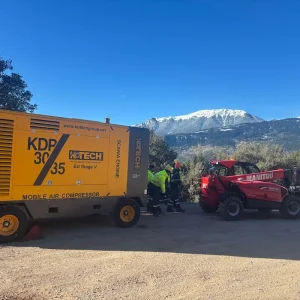

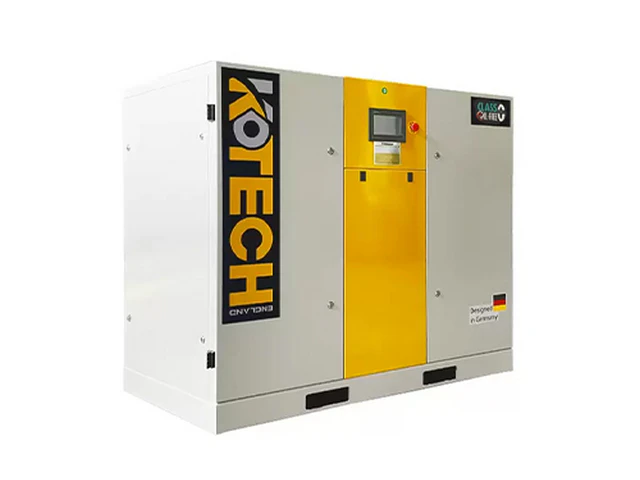
For anyone running a mining or heavy construction site, reliable air power isn't a luxury; it's the backbone of productivity. High-CFM portable diesel compressors are indispensable, driving everything from drilling to blasting. Getting the right unit means understanding the brutal demands of the field. Prioritize CFM & PSI: Match compressor output precisely to the combined air requirements of your tools for optimal performance and efficiency. Fuel Efficiency is King: Modern units offer significant savings; a 15-20% improvement can translate to hundreds of thousands over a compressor's lifespan. Durability & Serviceability: Look for robust designs and easy access for maintenance to minimize downtime in harsh mining environments. Telematics Integration: Remote monitoring provides crucial data for predictive maintenance and operational optimization, a game-changer for isolated sites. Vendor Support Matters: After-sales service, parts availability, and technical expertise are as critical as the machine itself.
Maximizing Uptime with High-CFM Portable Diesel Compressors in Mining
Key Takeaways
- Criticality of high CFM and PSI for mining tools.
- Impact of fuel efficiency on total operational cost.
- Importance of durability and reliability in harsh mining.
- Role of telematics for remote site management.
- Key factors in compressor procurement beyond price.
- Boundary conditions for when portable units are less ideal.
Related: Mining air compressors · portable diesel air compressors · construction compressors · heavy-duty air power · pneumatic tools mining · fuel-efficient compressors · remote site air solutions · equipment uptime.
The Unyielding Demand for Air Power in Mining Construction
Let’s cut right to it: in mining construction, if your air compressor goes down, so does your operation. We’re talking about high-stakes environments where every minute of downtime costs serious money. High-CFM portable diesel compressors aren’t just equipment; they’re the arteries pumping life into your pneumatic tools, rock drills, blast hole rigs, and shotcrete machines. Choosing the right one is less about brand loyalty and more about a precise match to your operational demands and the unforgiving conditions of the job site. This isn’t a decision to be taken lightly; it directly impacts your project timelines and bottom line.
Why CFM and PSI Are Non-Negotiable Metrics
When we talk about “High-CFM,” we’re talking about the volume of air delivered. In mining, where you’re running multiple heavy-duty pneumatic tools simultaneously, inadequate CFM means tools underperform, tasks slow down, and efficiency plummets. It’s a bottleneck you absolutely cannot afford. Similarly, PSI (pounds per square inch) dictates the force behind that air. Rock drills, for instance, demand not just volume but also consistent pressure to penetrate hard rock effectively. A mismatch here leads to wasted fuel, premature tool wear, and frustrated crews. Frankly, a common pitfall I’ve observed over the years is underestimating the true air requirements, leading to chronic underperformance from expensive equipment. According to a 2023 report by the U.S. Geological Survey (USGS), the average energy consumption for rock drilling operations remains a significant operational cost, directly tied to the efficiency of compressed air delivery.
You need to calculate the combined CFM and PSI requirements of all tools you intend to run concurrently, then add a buffer—at least 15-20%—for inevitable pressure drops, hose losses, and future expansion. This isn’t overkill; it’s smart planning. Your goal is sustained, optimal performance, not just “enough” air.
Operational Efficiency: Beyond Raw Power
While raw power and high CFM are critical, modern mining construction demands more than just brute force. Fuel efficiency has become a monumental concern. Diesel costs fluctuate wildly, and for operations running multiple compressors 24/7 in remote locations, every gallon saved is significant. Today’s advanced portable diesel compressors incorporate sophisticated engine management systems, variable speed drives, and improved air ends that drastically reduce fuel consumption.
Consider this: a typical 900 CFM portable diesel compressor running 10 hours a day might burn upwards of 10-15 gallons of fuel per hour under load. Even a 15% improvement in fuel efficiency, which many newer models boast, can save tens of thousands of dollars annually per unit. A 2024 analysis by the International Energy Agency (IEA) highlighted that industrial energy efficiency improvements, particularly in heavy machinery, are pivotal for both cost reduction and environmental compliance. This isn’t just theory; I’ve seen firsthand how adopting newer, more efficient units can shave substantial costs off a long-term project.
Beyond fuel, consider serviceability. In the dusty, abrasive environment of a mine, filters clog fast, and components wear. A well-designed compressor offers easy access to filters, fluids, and critical components, making routine maintenance quicker and less prone to errors. Reduced maintenance time means increased uptime, which is the real metric of success on any mining site.
Navigating the Extremes: Durability and Reliability
Mining sites are brutal. Extreme temperatures, dust, vibration, and rough terrain are the norm. Your portable diesel compressor needs to be built like a tank. This means heavy-duty chassis, robust enclosures, and industrial-grade components designed to withstand constant abuse. Rust prevention, reinforced axles, and high-clearance undercarriages are not optional; they’re fundamental requirements for longevity in these environments.
Reliability isn’t just about the machine not breaking down; it’s about consistent performance under load. Modern units often feature advanced diagnostic systems and telematics. These systems provide real-time data on engine performance, fuel levels, service intervals, and potential fault codes. For remote sites, this is a game-changer. Being able to monitor a compressor’s health from a central office, or even from a mobile device, allows for predictive maintenance, dispatching a technician with the right parts before a critical failure occurs. This proactive approach minimizes unplanned downtime, which, let’s be honest, is the bane of any project manager’s existence.
The Cost Equation: Fuel, Maintenance, and Uptime
The initial purchase price of a high-CFM portable diesel compressor is just one piece of the puzzle. The true cost of ownership is dominated by fuel consumption, maintenance, and the cost of downtime. Investing in a more expensive, fuel-efficient, and durable unit often pays for itself rapidly through operational savings. According to a 2023 industry survey by Equipment World, total cost of ownership (TCO) for heavy construction equipment, including air compressors, is increasingly influenced by fuel and maintenance, often surpassing the initial capital expenditure within the first three years.
However, it’s not always about buying the newest, most expensive model. For smaller, less intensive construction jobs that don’t require continuous, high-volume air, a slightly older, well-maintained unit might be perfectly adequate. The key is to match the compressor’s capabilities and TCO to the specific project’s scale and duration. Over-specifying can lead to unnecessary capital outlay, while under-specifying guarantees operational headaches.
Smart Procurement: What to Look For
When you’re in the market for a high-CFM portable diesel compressor for mining construction, here’s a checklist based on years of experience:
- CFM/PSI Output: Verify it meets or exceeds your peak demand, with that buffer.
- Engine: Look for Tier 4 Final compliant engines for emissions, but also consider brand reputation for reliability and parts availability (e.g., Cummins, Caterpillar, John Deere).
- Fuel Efficiency: Ask for specific fuel consumption rates under various load conditions.
- Durability Features: Galvanized steel, heavy-duty running gear, protective enclosures, and robust filtration systems.
- Serviceability: Easy access panels, clearly marked service points, and extended service intervals.
- Telematics & Connectivity: Essential for remote monitoring and predictive maintenance.
- Cold Weather Start Kits: If operating in colder climates, this is non-negotiable.
- After-Sales Support: What’s the dealer network like? How quickly can they get parts or a technician to your remote site? This is often overlooked until you’re in a bind.
Integration Challenges: When Portable Isn’t Enough
While portable diesel compressors are incredibly versatile, there are specific scenarios where they might not be the most efficient long-term solution. For example, a permanent, large-scale underground mine with extensive, continuous air demands might benefit more from a fixed, electric-powered compressor station. The initial setup cost is higher, but the long-term operational costs (fuel vs. electricity), maintenance, and noise levels can be significantly lower. Portable units excel where flexibility, mobility, and rapid deployment are paramount, such as new mine development, surface mining operations, or temporary construction phases. They are less suitable for providing the sole, continuous air supply to a vast, established underground network unless used as backup or for specific, localized tasks.
Understanding these boundary conditions is crucial. A portable unit is a fantastic workhorse for dynamic, demanding tasks, but it’s not a magic bullet for every single compressed air need across the entire lifecycle of a mine.
Expert Insights
Based on my years in the field, the biggest mistake I see companies make is buying based solely on the lowest bid. For high-CFM portable diesel compressors in mining, that's a recipe for disaster. The upfront savings are quickly swallowed by fuel inefficiencies, constant breakdowns, and the astronomical cost of lost production. Investing in a quality, well-supported unit with advanced diagnostics is not an expense; it's an insurance policy for your project's success.
Further Reading
- Fuel-Efficient Air Compressors for Long-Distance Oilfield Work
- Oil-Free Mining Air Compressors for Sensitive Mineral Processing
- Best Mining Air Compressors for Harsh & Remote Environments
- Compact Towable Diesel Air Compressors for Mining Exploration
- High-CFM Portable Diesel Compressors – Air Compressor Sol
- Cold-Weather Mining Air Compressors for Arctic & Winter Operations
- Two-Stage Air Compressor Applications for Food and Beverage Processing
- Air Compressors for Mining Sites: Durable & Energy-Efficient
About the Author

Related Reading: Applications of Two-Stage Air Compressors in Pharmaceutical Production