Diesel vs. Electric: Powering Mine Air Compression for Peak Performance
For any global mining operation, the choice of air compressor technology — diesel or electric — is far more than a technical specification; it’s a direct determinant of operational efficiency, cost management, and environmental compliance. Frankly, getting this wrong can bleed your budget dry or halt production entirely.
Understanding the Strategic Choice: Diesel vs. Electric Air Compressors
Mines worldwide rely on compressed air for everything from powering pneumatic tools and ventilation systems to supporting drilling operations and processing plants. The power source for these crucial systems carries significant implications. The decision isn’t just about initial purchase price; it’s about the entire lifecycle cost, operational flexibility, and adherence to increasingly strict environmental standards.
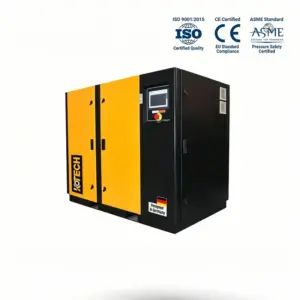
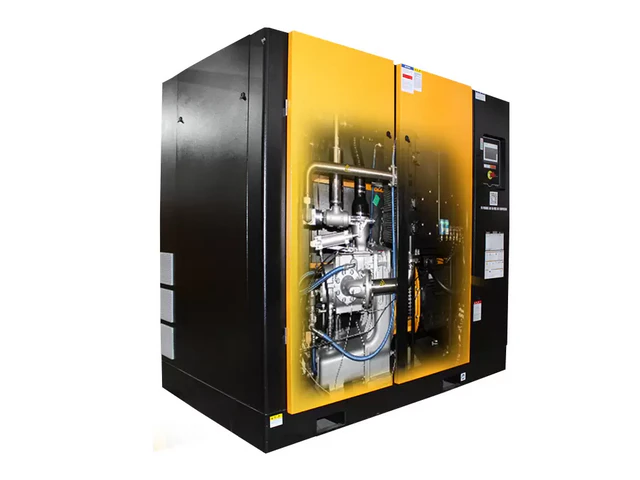
Electric air compressors, when connected to a reliable power grid, offer distinct advantages. They typically have lower operating costs due to cheaper electricity compared to diesel fuel, reduced maintenance requirements from fewer moving parts, and zero direct emissions at the point of use. This makes them highly attractive for established, grid-connected operations, particularly underground where ventilation and air quality are critical concerns.
Conversely, diesel-powered compressors excel in mobility and independence. Their self-contained nature makes them ideal for surface mining, remote sites, exploration projects, or as backup systems where grid power is unreliable or unavailable. However, they come with higher fuel costs, more frequent maintenance needs, and a significant emissions footprint, which can be a major hurdle for mines aiming for stringent ESG (Environmental, Social, and Governance) targets.
The Data Driving Decisions: Industry Trends & Economic Realities
The mining sector is undergoing a profound transformation, influenced by commodity prices, technological advancements, and a heightened focus on sustainability. These forces directly impact the selection of heavy equipment, including air compressors.
The air compressor segment, while smaller, mirrors these broader trends.
Operational costs remain a dominant factor. For many, switching from diesel to electric where feasible can translate into millions of dollars in annual savings.
The environmental imperative is equally compelling. The International Energy Agency (IEA 2023) projects that electrification of industrial processes, including mining, could reduce global industrial CO2 emissions by over 1.5 gigatonnes by 2050. This global trend places direct pressure on mining companies to decarbonize their operations, making electric air compressors a strategic asset for achieving emissions reduction targets and improving their public image.
Strategic Reasoning: Matching Power to Purpose
The rationale behind choosing between diesel and electric systems hinges on a nuanced understanding of specific operational contexts. Electric compressors are often preferred for their consistent power delivery and lower noise levels, which are particularly beneficial for underground applications where ventilation and worker comfort are paramount. Their integration into smart mine systems allows for precise control and energy management, optimizing performance based on real-time demand.
However, the initial capital expenditure for robust electrical infrastructure at remote or new mine sites can be substantial. This is where diesel units shine. They offer a self-sufficient, rapid deployment solution, capable of operating in the most isolated locations without the need for extensive grid connections. Their robust design often allows them to withstand extreme conditions, making them a reliable workhorse for surface operations or during the initial phases of mine development.
When Electric Isn’t the Only Answer: Boundary Conditions
While the industry trends lean towards electrification, it’s crucial to acknowledge that electric compressors aren’t a universal solution. For instance, in greenfield exploration sites or highly mobile surface operations, running miles of power cable simply isn’t practical or cost-effective. In these scenarios, the rapid deployment and self-contained nature of a diesel-powered portable air compressor provide an undeniable advantage. Furthermore, in regions with unstable or expensive electricity grids, the economic benefits of electric units diminish significantly, making diesel a more reliable and predictable option.
Practical Application: Making the Right Compressor Choice
Selecting the optimal air compression system requires a holistic evaluation. Here’s a pragmatic approach:
Assessing Your Site’s Power Infrastructure
For established mines with stable, affordable grid access, electric stationary air compressors are typically the superior choice for continuous operations. Evaluate your existing electrical capacity and the cost of upgrading it versus the long-term savings in fuel and maintenance. If your site is remote or lacks reliable power, portable diesel air compressors offer the flexibility needed to keep operations running without interruption.
Considering Operational Demands and Mobility
Underground mines generally benefit from electric systems due to ventilation requirements and the need for consistent, clean air. Surface mines with frequent equipment relocation will find diesel portable units more practical. For mixed operations, a combination of both – stationary electric for core processing and portable diesel for auxiliary or mobile tasks – often proves to be the most efficient strategy. We’ve often advised clients to consider a hybrid approach for maximum flexibility.
Evaluating Total Cost of Ownership (TCO)
Beyond the purchase price, factor in fuel/electricity costs, routine maintenance, spare parts, and projected lifespan. Electric compressors typically have higher upfront costs but lower operational expenses. Diesel units are often less expensive initially but incur higher ongoing costs. Calculate the TCO over the expected lifespan of the equipment to get a true picture of the investment.
Addressing Environmental and Regulatory Compliance
With increasing global pressure for sustainable mining, emissions from diesel engines are under intense scrutiny. Electric compressors offer a significant advantage here, aligning with ESG initiatives and potentially qualifying for environmental incentives. Ensure any diesel units meet current emission standards in your operating region, which can sometimes necessitate more advanced, and thus more expensive, engine technology.
Maintenance and Support Ecosystem
Consider the availability of skilled technicians and spare parts for both diesel engines and electric motor components in your region. A robust local support network can minimize downtime, regardless of your chosen power source. This aspect is often overlooked but is critical for sustained productivity.
In our experience, a thorough feasibility study, factoring in all these elements, prevents costly mistakes down the line. It’s not about one technology being inherently “better” than the other; it’s about the best fit for your unique mining environment and strategic objectives.